Biodiversity
Al Makhrour Valley is an integrated ecosystem combining ancient geological formations, fertile soil, and rich biodiversity. It stands as one of the most ecologically significant natural areas in the region.
Geology and Soil
The valley's terrain is primarily composed of limestone and dolomite, along with chalk and marl rocks dating back to ancient geological periods. The predominant soil type is terra rossa, known for its high fertility and suitability for agriculture and plant growth.
Flora
The valley is home to a wide variety of wild plants and traditional crops that form a vital part of Palestine’s agricultural heritage. Notable species include:
Oak trees and the native Palestinian pine
Ancient olive trees, grapevines, figs, and apricots
Medicinal herbs such as sage and wild thyme
Fauna
Al Makhrour Valley also supports a diverse array of wildlife and rare bird species. Documented species include:
Birds of prey like the honey buzzard and Eastern Black-eared Wheatear
Palestine sunbird, the national bird of Palestine
Sand partridges, red foxes, and wild hares
This biodiversity makes Al Makhrour a critical conservation area that supports local ecosystems and deserves continued protection.
Latest News
-
 Saturday, 1 March 2025
Test
-
Tuesday, 18 February 2025
Test NEWS
-
 Tuesday, 21 January 2025
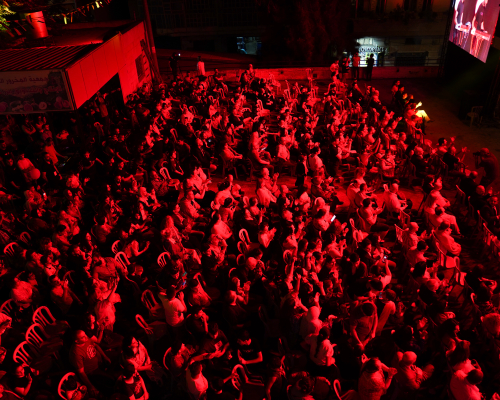
Beit Jala International Festival for Peace